Re-focusing this website is requiring me to revise the structure and menu, and also go through old pages and review them.
I’m re-reading pages I wrote several years ago and had almost forgotten about.
First up were the Hard Questions. With minor edits, I was really pleased with what I had written, so I thought you might like to check them out.
Not resolved in a day
Life throws up many difficult questions – ethical, philosophical, political and personal and more besides. Christian faith throws up a whole lot extra.
Of course we want answers. How should we behave? What should we believe?
It can be easy to accept the answers our particular culture, family or church give us. And I suppose we all do that for a while.
But sometimes the given answers don’t seem quite right. Perhaps they don’t all fit together with other things we believe. Or maybe they leave some people feeling hurt or left out.
I have found that it takes time, experience, and a lot of reading to come to conclusions that I am satisfied with.
So here are a bunch of questions that I have wrestled with, researched, and finally written up. Sometimes the writing led me to conclusions I wasn’t necessarily expecting.
A doorway?
Some Christians, especially some leaders, seem to be very wary of doubt and questioning, probably worried that questions can lead to doubt and doubt can lead to loss of faith.
But if our beliefs are true, then our answers will be true and consistent, and we have nothing to fear. So I don’t believe we should turn away from honest questions.
In my experience, doubt can often be the doorway to a new understanding.
Hell – what does the Bible say?
I always hated the doctrine of hell. But it was in the Bible, so I had to believe it, right?
So imagine my relief when I read a professor of New Testament Greek explain that it was all a mistake.

Jesus never warned of everlasting punishment. Few of his hearers would have thought of it that way. There’s a warning there for sure, but it’s not the horrendous hell of subsequent Christian belief.
We need to listen to what Jesus actually said and how it was heard in his time and culture.
Christians and gender
Gender issues are probably the most contentious part of Christian teaching and practice today. We argue vehemently amongst ourselves and to the watching world we seem to be uncaring and unloving.

I don’t believe it needs to be that way.
Sexuality and gender roles aren’t the core of Christianity. We don’t have to allow differences to divide us into angry and hateful factions.
And if we learn to listen to the Spirit, and allow him to guide our Biblical interpretation, we might just end up in a more loving place.
Can only christians be saved?
If Jesus is “the Way”, then people who don’t believe in him are condemned, right?
But would a loving God condemn half the world even though they had little opportunity to hear of Jesus and believe in him?

CS Lewis didn’t think so. He believed we would all be judged by our heart attitudes and how we responded to the light we had been given. I have come to think the same, and there is Biblical support for the idea.
Jesus is definitely the Way, but some people may find themselves on the path to God without realising it is Jesus who gets them there.
Evolution and christians
Why should christians accept evolution as fact and see the Genesis creation story as a holy folk tale? After all, it makes some doctrines harder.
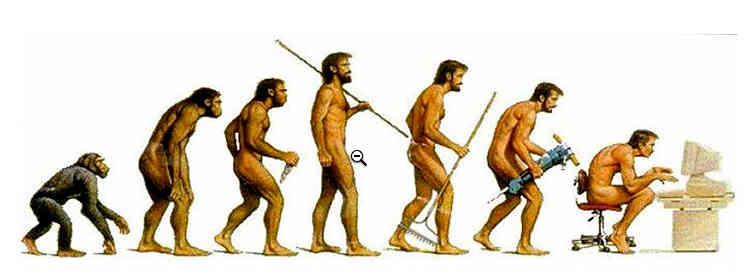
But the scientific evidence is strong, and many Christians now accept it as the process God used to create the human race. It is helpful to review the scientific evidence and how it affects doctrines such as original sin and the Fall.
Do we have an immortal soul?
It seems most Christians think we humans are composed of the physical body that we see and a soul which we cannot see, but which lives on after we die.
Isn’t that true?
But such a belief actually faces two hurdles. There is no scientific evidence for it, and it isn’t the way the Biblical authors thought either. If we enter into an afterlife with God, it isn’t because we have an immortal soul, but because we are resurrected (Luke 14:14). Without resurrection we die and cease to exist. As Paul says (1 Corinthians 15:42): “The body that is sown is perishable, it is raised imperishable”.
But wait, there’s more
Hard questions turn up everywhere. So you’ll find some in sections I haven’t reviewed yet:
- The Bible section includes historical perspectives on the Exodus and the Canaanite genocide and an analysis of the accuracy of Old Testament prophecy. Plus some ideas on how to read the Bible in its historical and cultural context. And there’s a few more hard Bible question to come.
- The Jesus & God section at present mostly addresses questions of Jesus and history, and how historical analysis can add to our understanding of Jesus. There’s more to come here too, especially some hard questions about God’s character.
Stick around and there’ll be more here in coming weeks.
I’d like to hear from you!
If any of all these questions interest or trouble you, I hope you’ll explore these pages, and come back here to comment.
And if you have any suggestions for hard questions you’d like to see answered, please let me know. I’m up for the challenge!
Thanks.
Photo by Pavel Danilyuk.